
Starting nursery is a big change for the whole family. In the days before a first session, even a small question such as “Have we packed enough spare clothes?” can start to feel much bigger than it is.
The good news is that children do not need a perfectly packed bag to have a positive first day. A few practical essentials, clear labels and a short conversation with the nursery team will cover most situations. More important than bringing lots of things is helping practitioners understand your child’s familiar routines, comfort cues and current needs.
This starting nursery checklist is designed for families preparing for nursery in Aylesbury and elsewhere in the UK. Your child’s setting may supply some items or ask for others, so use it as a guide and confirm the final list with the nursery before the first day.
Starting nursery checklist: the essentials
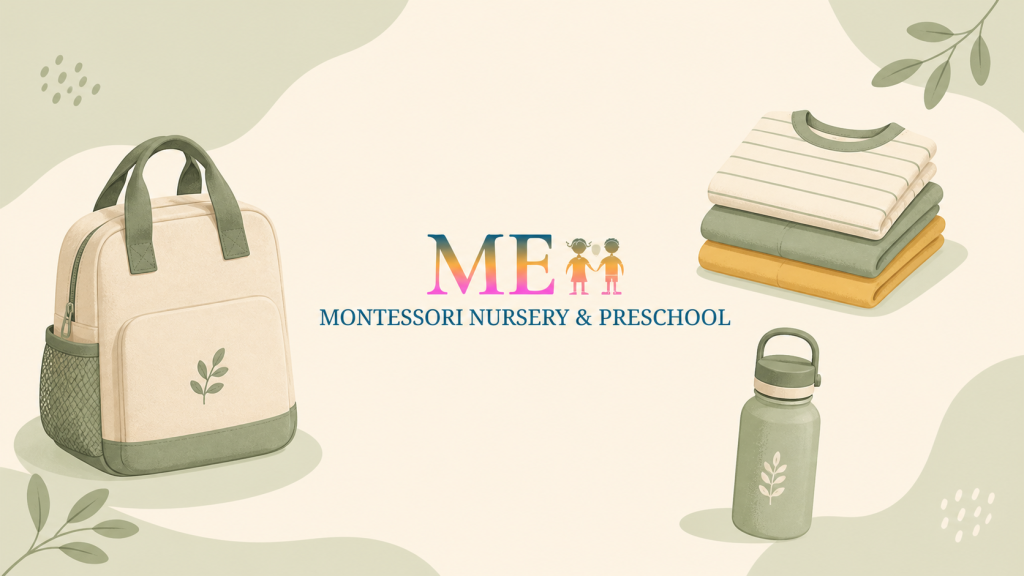
Most children will need a small, easy-to-carry bag containing:
- Two complete changes of clothes, including underwear or vests and socks
- A suitable coat and weather layers for the season
- A sun hat or warm hat, depending on the weather
- Comfortable indoor and outdoor shoes, if requested by the setting
- Nappies, wipes and nappy cream if the nursery asks families to provide them
- Toileting supplies and extra clothes if your child is learning to use the toilet
- A labelled water bottle, if requested
- A small comfort item, if agreed with the nursery
- Any prescribed medication, handed directly to staff in its original packaging and managed under the setting’s procedure
Before packing everything, ask what the nursery already provides. There is little value in sending a bag full of items that will not be used. The setting should also explain its arrangements for food, drinks, nappies, sun cream and medication.
Choose a bag that is large enough for the essentials but still easy to manage. A labelled reusable bag for damp or dirty clothes can make collection time easier.
Choose clothes that support independence
Nursery clothes need to cope with painting, water play, garden time, meals and plenty of movement. They should be comfortable, washable and simple for your child to manage.
Montessori practice encourages children to take part in everyday care tasks as their skills develop. Clothing with elasticated waists, roomy sleeves and straightforward fastenings gives a child more opportunity to pull up trousers, put on a cardigan or attempt their own shoes. Complicated belts, tight buttons and hard-to-reach fastenings can turn an ordinary moment into frustration.
Practitioners offer help according to each child’s stage. The aim is to leave room for a child to try and do a little more for themselves.
Pack clothes you will not mind getting marked. Busy nursery days can be messy, and that is often a sign that children have been absorbed in purposeful, hands-on activity.
Label every item clearly
Many children’s coats, jumpers and water bottles look alike. A clear name label helps the team return belongings to the right family and saves time at the end of the day.
Label the bag itself and every item inside it, including shoes, coats, hats, comfort items and spare clothes. Use your child’s full name where possible. Check iron-on or stick-on labels regularly because repeated washing can loosen them.
Pack for the British weather
Outdoor time is valuable throughout the year, so plan for a day that may begin in sunshine and end in rain. A light waterproof layer can be useful even when the morning looks dry. During colder months, include warm layers that can be added or removed easily.
In warm weather, ask how the nursery manages sun hats and sun cream. In winter, label both gloves and consider a spare pair if requested.
Check the forecast the night before, but do not rely on it completely. Practical, adaptable layers usually work better than one heavy outfit.
A comfort item can help, but keep it simple
A familiar soft toy, small blanket or other comfort item may help a child during separation or rest time. Speak to the nursery first about what is suitable and when it can be used. Some settings may have rules about where personal items are kept, and a precious or irreplaceable toy may be safer at home.
If your child uses a comfort item, label it and tell their key person what your child calls it. That small detail can matter when a child is tired or upset.
For more support with goodbyes and the early weeks, read our guide to helping your child settle at nursery.
The information staff need matters more than extra kit
A well-packed bag is useful, but your child’s care depends on good communication. Before the first day, make sure the nursery knows about:
- Allergies, dietary needs and any relevant medical information
- Current sleep patterns and the signs your child shows when tired
- Toileting or nappy routines
- Words, signs or gestures your child uses for food, drink, comfort or the toilet
- Favourite ways to settle and any strong dislikes or sensitivities
- Recent changes at home that may affect how your child feels
- Who is authorised to collect your child
Be honest when a routine has changed. Practitioners are not looking for a perfect timetable. Clear information helps them respond to your child.
If you are still deciding when the time is right, our guide on when a child should start nursery explains common signs of readiness without treating age as the only factor.
What not to bring to nursery
Leave jewellery, valuable toys, money and electronic devices at home unless the nursery has specifically requested an item. Avoid sending food without agreement because the setting must manage allergies, dietary needs and safe storage carefully.
Do not put medication loose in your child’s bag. Give it directly to a member of staff and follow the nursery’s medication procedure. The same applies to creams or products that require consent or recording.
Avoid packing extra toys “just in case”. Nursery already offers activities and materials prepared for children’s learning.
Prepare the night before
Lay out clothes, check the weather, fill the bag and place it near the door. A calm evening routine makes the morning less rushed. If your child is old enough to join in, offer one manageable choice, such as choosing between two suitable tops or placing their comfort item in the bag.
Talk about the first day in simple, reassuring language. Explain what will happen next: who will take them, who will greet them and who will collect them. Avoid repeated questions about whether they feel worried, as this can make the day sound frightening before it has begun.
At drop-off, follow the settling plan agreed with the nursery. A warm, confident goodbye is usually easier to understand than slipping away without saying goodbye or stretching the moment out. Your child’s key person can guide you according to how your child responds.
Visit before the first day if you can
A nursery tour is not only for comparing facilities. It lets you see how the environment is arranged, ask what the setting supplies and talk through the details that matter to your family. You can ask about meals, sleep, toileting, outdoor clothing, comfort items and how staff share updates with parents.
If you are comparing local settings, our guide to choosing a nursery in Aylesbury gives you practical questions to take along.
At ME Montessori Nursery & Preschool, a private tour gives you time to see the setting and discuss your child’s first days with our team. Bring your questions, however small they may seem. Knowing what to expect can make the first morning feel calmer for you and your child.
Book a private nursery tour in Aylesbury
Preparing for nursery should feel manageable, not like a test. Book a private tour to visit ME Montessori, talk through your child’s routine and find out exactly what to bring for their first day.
✨ Places available — book a private tour today.
📞 07873 403672
📧 [email protected]
🌐 www.memontessorinurseryandpreschool.com
📍 Bedgrove Community Centre, Bedgrove Park, Ambleside, Aylesbury, HP21 9TT
Andromeda Falconeri
ME Montessori Nursery & Preschool